In pellet production industry, choosing the right pellet machine directly affects production efficiency, pellet quality, operating cost, and long-term profitability. Among the most widely used pelletizing equipment, the flat die pellet mill and ring die pellet mill are two major pellet production solutions.


Both machines are widely used for biomass pellets, animal feed pellets, wood pellets, and commercial feed production. However, they are designed for different production scales, raw materials, and operating requirements.
What Is a Flat Die Pellet Mill?
A flat die pellet mill is a compact pelletizing machine that uses a flat die and rollers to compress raw materials into pellets. During operation, the rollers press the materials through the holes of the flat die to form cylindrical pellets.

The flat die feed pellet mill is widely used for small-scale feed production, biomass pellet production, and farm applications. Because of its simple structure and lower investment cost, it is popular among small farms and individual users.
What Is a Ring Die Pellet Mill?
A ring die pellet mill uses a circular ring-shaped die and internal rollers to compress raw materials into pellets. The rollers continuously press materials against the inner wall of the ring die, forcing the materials through die holes under high pressure.

The ring die feed pellet mill is commonly used in commercial feed factories, biomass fuel plants, and industrial pellet production lines because of its higher capacity and better production efficiency.
What Are The Key Differences Between Ring Die And Flat Die Pellet Machines?
| Aspect | Flat Die Pellet Mill | Ring Die Pellet Mill |
| Structure Design | Simple and compact | More complex structure |
| Working Principle | Simple compression | Stronger compression force |
| Production Capacity | Small to medium output | Large-scale production |
| Pellet Quality | Normal pellet quality | Higher pellet quality |
| Energy Efficiency | Lower power for small use | Better efficiency for mass production |
| Maintenance | Easy maintenance | More maintenance required |
| Roller & Die Wear | Wear may be uneven | More uniform wear |
| Initial Investment | Lower investment cost | Higher investment cost |
| Suitable Applications | Farms and small workshops | Commercial pellet plants |
1 Structure Design
The flat die pellet mill uses a flat circular die plate combined with rollers. Depending on the machine design, either the rollers rotate or the die rotates during pellet production.
The ring die pellet mill uses a vertical or horizontal ring-shaped die. The rollers compress raw materials inside the ring die under higher pressure.
Compared with the flat die structure, the ring die structure is more complex but more suitable for continuous industrial production.
Because of the compact structure, flat die feed pellet mills require less installation space and are easier to move. Ring die feed pellet machines are larger and usually installed in fixed commercial production plants.
2 Working Principle
The working principle of a flat die pellet machine is relatively simple. Raw materials enter the pelletizing chamber vertically and are compressed through die holes by rollers.
A ring die pellet machine uses forced feeding and centrifugal distribution to move raw materials evenly into the pelletizing chamber. This helps improve feeding uniformity and production stability.
During pelletizing, the ring die system usually generates stronger compression force, producing denser and more durable pellets.
3 Production Capacity
Production capacity is one of the biggest differences between flat die pellet mills and ring die pellet mills.
A flat die pellet mill is usually designed for small or medium output production. Typical production capacity ranges from several hundred kilograms per hour to around 1–2 tons per hour.
A ring die pellet mill is designed for industrial-scale production. Commercial ring die pellet machines can produce several tons to more than 20 tons of pellets per hour depending on the model.
For continuous large-scale production, ring die pellet mills provide significantly better production efficiency.
4 Pellet Quality
Pellet quality directly affects storage, transportation, feeding performance, and market value.
The ring die pellet mill generally produces pellets with:
- Higher pellet density
- Better durability
- More uniform size
- Lower breakage rate
The higher compression pressure inside the ring die system improves pellet hardness and stability.
A flat die feed pellet mill can also produce quality pellets, but pellet density and consistency are usually lower compared with ring die pellet machines.
For commercial feed plants and biomass fuel production, pellet quality is often an important reason for choosing ring die pellet mills.
5 Energy Efficiency
For small-scale production, the flat die pellet machine has relatively low power consumption and lower operating cost.
However, in large-scale industrial production, the ring die pellet mill usually offers better energy efficiency per ton of output. Continuous operation and stable feeding systems help reduce long-term production cost.
Although ring die feed pellet machines require larger motors and higher total power consumption, their production efficiency is much higher in commercial pellet plants.
6 Maintenance
Maintenance difficulty is another important difference between the two pellet machines.
The flat die pellet mill has a simpler structure, making cleaning and maintenance easier. Operators can quickly replace rollers and dies without complicated procedures.
The ring die pellet machine requires more maintenance experience because of its more complex structure. Replacing the ring die and adjusting rollers usually require more labor and downtime.
However, industrial ring die systems are designed for long-term continuous operation and generally provide better production stability.
7 Roller and Die Wear
Roller and die wear directly affect maintenance cost and machine lifespan.
In a flat die pellet mill, uneven wear may occur because the inner and outer parts of the roller travel different distances during operation. This may reduce roller lifespan over time.
In a ring die pellet mill, wear distribution is generally more uniform, helping improve the service life of both rollers and dies.
For long-term industrial production, more stable wear patterns can reduce spare parts replacement frequency and maintenance cost.
8 Initial Investment
A flat die pellet machine has lower initial investment cost. The machine structure is simpler, installation is easier, and maintenance cost is lower.
Because of these advantages, flat die feed pellet mills are widely used by:
- Small farms
- Family workshops
- Small feed producers
- Startup biomass businesses
- A ring die pellet machine requires higher investment because of:
- Larger machine size
- More complex transmission system
- Industrial automation systems
- Higher installation requirements
However, for commercial pellet plants, higher production efficiency can provide better long-term return on investment.
9 Suitable Applications
Flat Die Pellet Mill Applications
A flat die pellet mill is suitable for:
- Small farms
- Small feed workshops
- Home use
- Small biomass pellet production
- Flexible mobile production
The flat die pellet machine is often used for producing animal feed pellets, poultry feed pellets, cattle feed, and small biomass fuel pellets.
Ring Die Pellet Mill Applications
A ring die pellet mill is more suitable for:
- Commercial feed factories
- Industrial biomass pellet plants
- Wood pellet production lines
- Large-scale feed production
- Continuous industrial operation
For industrial pellet production, ring die feed pellet machines are usually the preferred choice.
Which Pellet Mill Is Better for Your Business?
Choosing between a flat die pellet mill and a ring die pellet mill depends on your production goals, budget, and raw materials.
Choose a Flat Die Pellet Mill If:
- You have a limited budget
- You need small-scale pellet production
- You want easier operation and maintenance
- You operate a farm or small workshop
- You need flexible production equipment
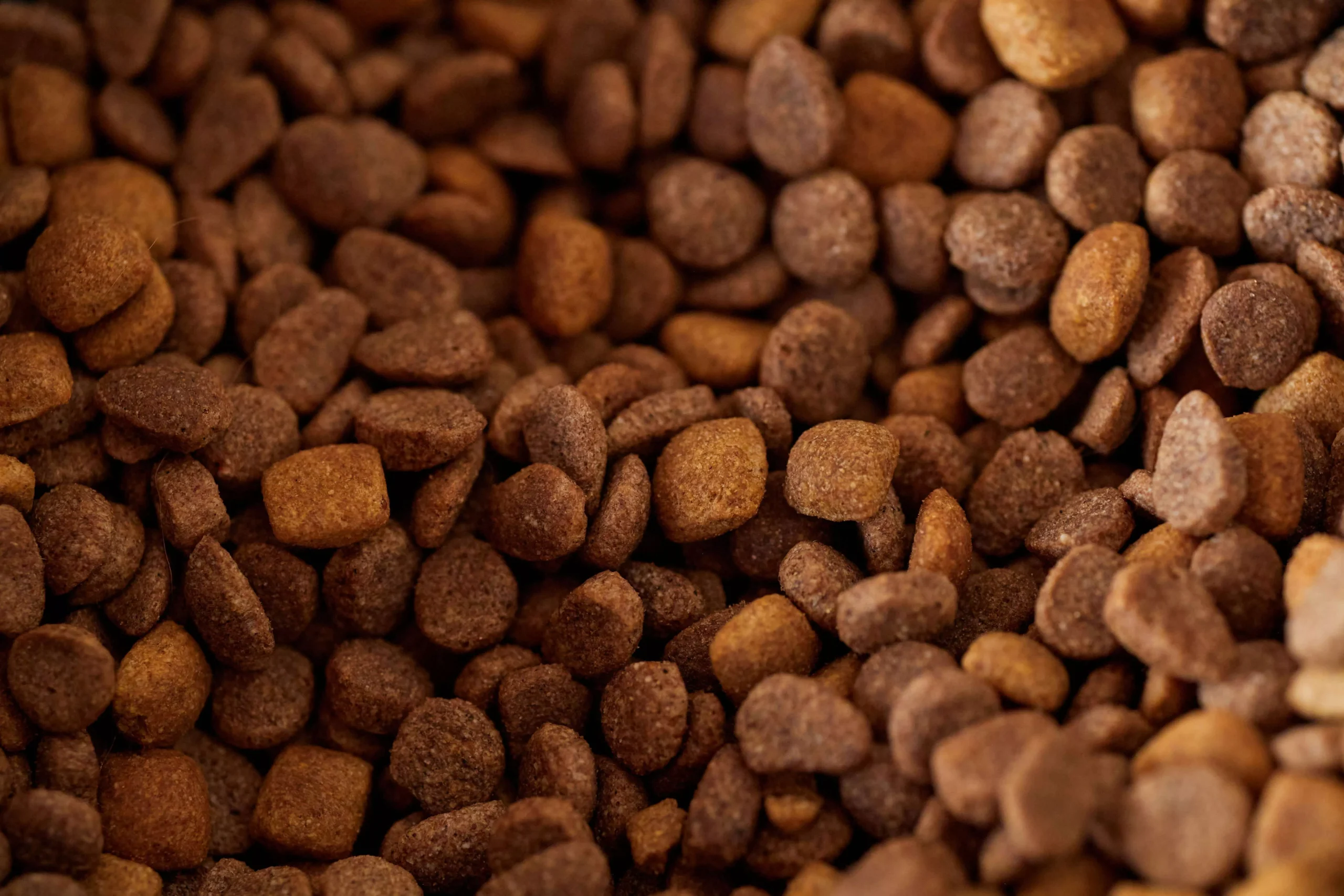
Find the Right Pellet Mill for Your Business!
Choose a Ring Die Pellet Mill If:
- You need industrial production capacity
- You require continuous pellet production
- You want higher pellet density and durability
- You operate a commercial pellet plant
- You need automated pellet production systems
Conclusion
Both flat die pellet mills and ring die pellet mills have their own advantages in pellet production industry.
A flat die pellet mill is more suitable for small-scale production because of its compact structure, easier maintenance, and lower investment cost. It is widely used for farm feed production and small biomass pellet businesses.
A ring die pellet mill is better suited for industrial pellet production because of its higher capacity, better pellet quality, and stronger continuous operation capability. For commercial feed plants and large biomass pellet production lines, ring die pellet machines usually provide better long-term efficiency and profitability.
There is no universal “best” machine for every production system. The correct choice depends on your production scale, pellet quality requirements, operating budget, and long-term business goals.
For commercial pellet production, choosing reliable pellet production equipment and suitable pelletizing solutions is also essential for achieving stable production efficiency and long-term profitability.