Choosing the right feed pellet machine is essential for the efficient and cost-effective production of high-quality animal feed pellets. The right machine depends on your specific needs, such as the type of feed you want to produce, the required production capacity, the available power source, and the desired pellet size.
This guide will walk you through the 5 key factors to consider before selecting a feed pellet machine.
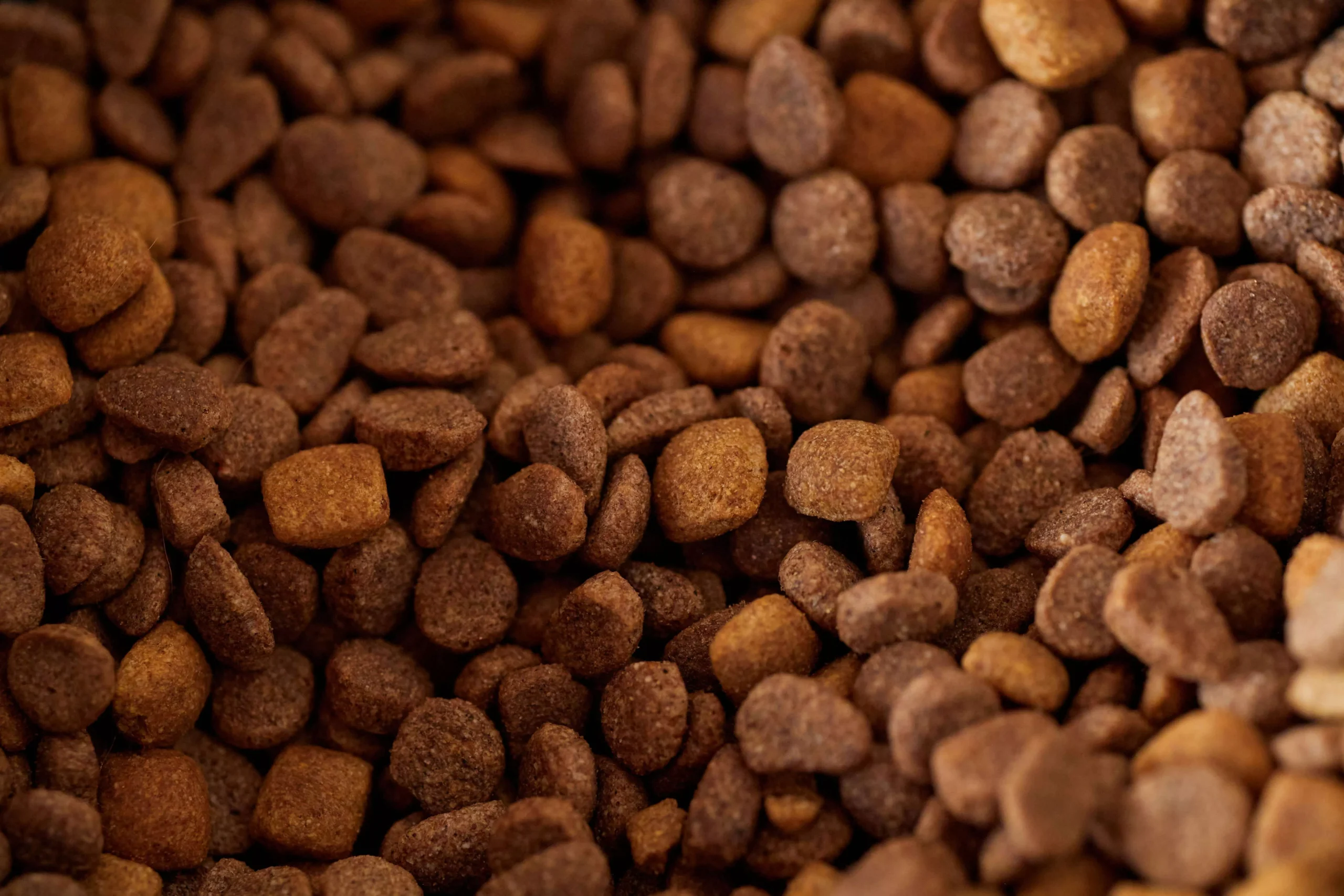
Looking for the right feed pellet machine?
5 Considerations You Should Know When You Choosing The Feed Pellet Machine
Before selecting a feed pelleting machine, you should first determine your production needs and operating conditions. The following five factors are particularly important:
| Factor | What to Consider |
| Ring Die vs. Flat Die | Production scale and machine type |
| Production Capacity | Required output (kg/h or t/h) |
| Power Supply | 220V, 380V, or diesel engine |
| Die Size | Required pellet diameter |
| Number of Rollers | Suitable roller configuration |
1 Ring Die vs. Flat Die Feed Pellet Machine
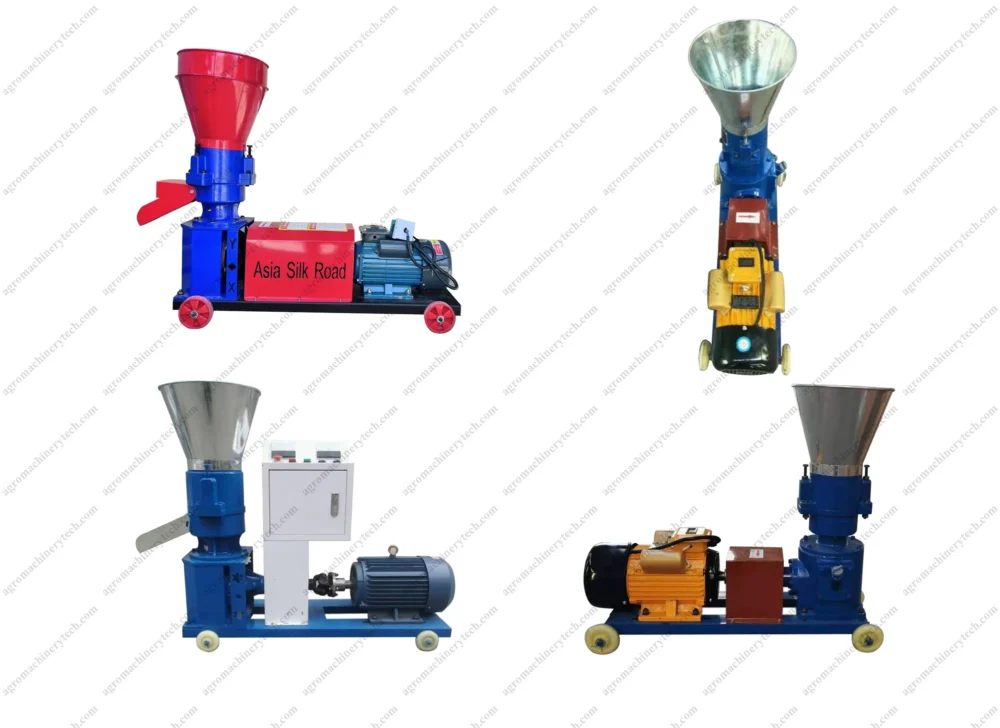
Flat die pellet machines use flat dies and are primarily suitable for small farms, small feed mills, and small- to medium-scale feed production. Depending on the model, they can be powered by an electric motor or a diesel engine, making them a flexible option for areas with limited or unstable power supplies.
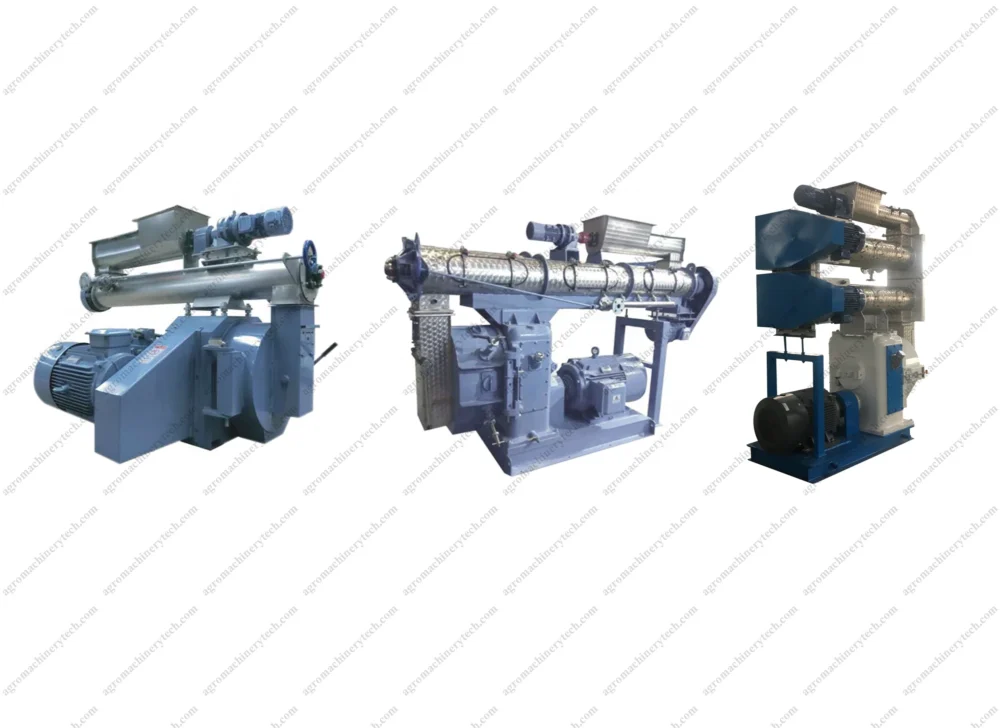
Ring die pellet machines use ring-shaped dies and are primarily designed for commercial feed mills and large-scale continuous production. They are typically powered by an electric motor and require a 380V three-phase power supply.
In summary:
Flat-die pellet mill → Small- to medium-scale production, flexible power supply options
Ring-die pellet mill → Large-scale commercial production, higher throughput
2 Required Production Capacity
After deciding between a flat die and ring die machine, the next step is to determine the required production capacity. Once you know how much feed you need to produce per hour, you can select the appropriate feed pellet mill model.
The production capacity of feed pellet machine is typically measured in kilograms per hour (kg/h) or metric tons per hour (t/h).
Generally speaking, flat-die pellet mills are suitable for small- to medium-scale production, with capacities typically ranging from 50 kg/h to 1,500 kg/h, depending on the model and feed ingredients.
| Model | Output(kg / h) | Motor Power |
| 125 | 50 | 3kw/4kw |
| 150/160/180 | 100 | 3kw/4kw |
| 210 | 250 | 7.5kw/11kw |
| 260 | 500 | 15kw/18.5kw |
| 300 | 1000 | 22kw |
| 400 | 1500 | 30kw |
Ring-die pellet mills are suitable for high-capacity commercial production. Their capacity typically starts at 1 ton/h, and large industrial models can reach 38 tons/h or more.
| Model | Main Power(kw) | Capacity(t/h) |
| SZLH320 | 37 | 1-7t/h |
| SZLH350 | 45-55 | 2-8t/h |
| SZLH400 | 90 | 3-12t/h |
| SZLH420 | 110 | 3-15t/h |
| SZLH508 | 132/160 | 5-20t/h |
| SZLH558 | 160 | 8-22t/h |
| SZLH678 | 200/220/250kw | 10-30t/h |
| SZLH768 | 250/280/315kw | 10-38t/h |
3 Check Your Power Supply
Once you have selected the appropriate feed pellet machine model, the next step is to ensure that its power source matches the electricity or fuel available at your location.
Flat Die Pellet Machine
Different models have different power requirements. For our flat-die feed pelletizers, the available power options depend on the model.
Flat-die pellet machine can be powered by an electric motor or a diesel engine.
For electric models:
- Models 125–180: 220V
- Models 210–400: 380V
If electricity is unavailable or unreliable, a diesel-powered flat-die pellet mill may be a practical option, especially for farms and remote areas.
Ring Die Pellet Machine
Ring-die feed pellet mills are designed for commercial and large-scale feed production. They use electric motors and require a 380V three-phase power supply.
Therefore, after selecting a machine model, be sure to confirm that the machine’s voltage, phase, and power supply are compatible with the conditions at your location.
Choose the Right Feed Pellet Machine Die Size
The pellet machine die is one of the most important components of a feed pellet mill, as it determines the diameter of the pellets produced.
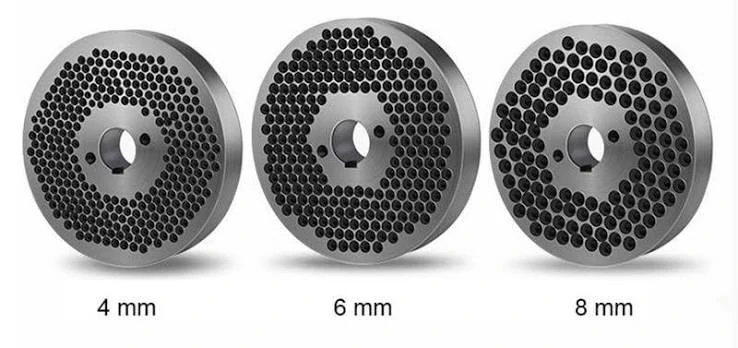
The most critical specification is the die hole diameter.
Different animals and different growth stages may require pellets of varying sizes. For example, poultry and young livestock typically require smaller pellets, while cattle and other large livestock may require larger pellets.
The appropriate pellet diameter depends on the following factors:
- Animal species
- Animal Age
- Feed Formulation
- Feeding Method
- Production Requirements
When you need to produce pellets of different diameters, you can usually replace the die, provided that the machine model supports the required die specifications.
For example:
- Smaller die holes → Smaller pellets
- Larger die holes → Larger pellets
When selecting a pellet mill die, do not base your choice solely on the machine itself. First, determine the pellet size required for your animals and feed formulation, and then select a die that matches those specifications.
Consider the Number of Pellet Machine Rollers
The pellet machine rollers are another important working component of a feed pellet mill.
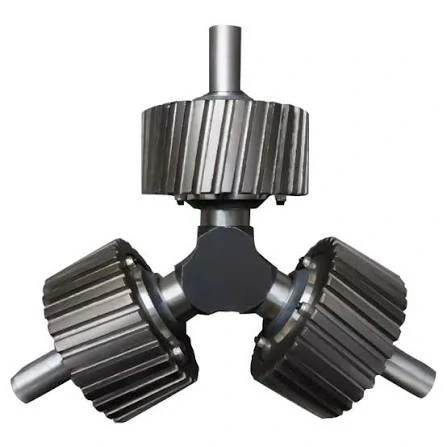
The pellet machine rollers work in conjunction with the die to compress the feed ingredients. As the rollers rotate, they press the prepared feed mixture into the die holes, where the material is compacted to form pellets.
Different feed pellet mills may use varying numbers of rollers depending on their structure and design.
For example, some flat-die pelletizers use one, two, or more rollers, while ring-die pelletizers use rollers located inside the ring die.
The number of rollers affects the distribution of feed ingredients on the die and the machine’s efficiency in applying pressure to the material. However, more rollers do not necessarily mean better pelletizer performance.
Looking for the right feed pellet machine?
Conclusion
Choosing the right feed pellet machine isn’t just about selecting the machine with the highest production capacity or the most powerful motor.
You should first understand your actual production needs, and then consider the machine type, production capacity, power source, die size, and roller configuration.
Before purchasing a feed pelleting machine, make sure you can answer the following questions:
- Do I need a flat-die or ring-die pellet mill?
- How much feed do I need to produce per hour?
- What power source is available?
- What pellet diameter do my livestock need?
- What die specifications should I use?
- Which roller configuration is right for my machine?
- Do I need an electric motor or a diesel engine?
By matching these factors to your production needs, you can select a feed pellet mill that is suitable for your farm or commercial feed production operation.