A thresher is an agricultural machine used to separate grains, seeds, or pods from harvested crops. Because different crops vary in structure, grain size, moisture content, and adhesion characteristics, threshers are designed with different mechanical structures and operational settings.
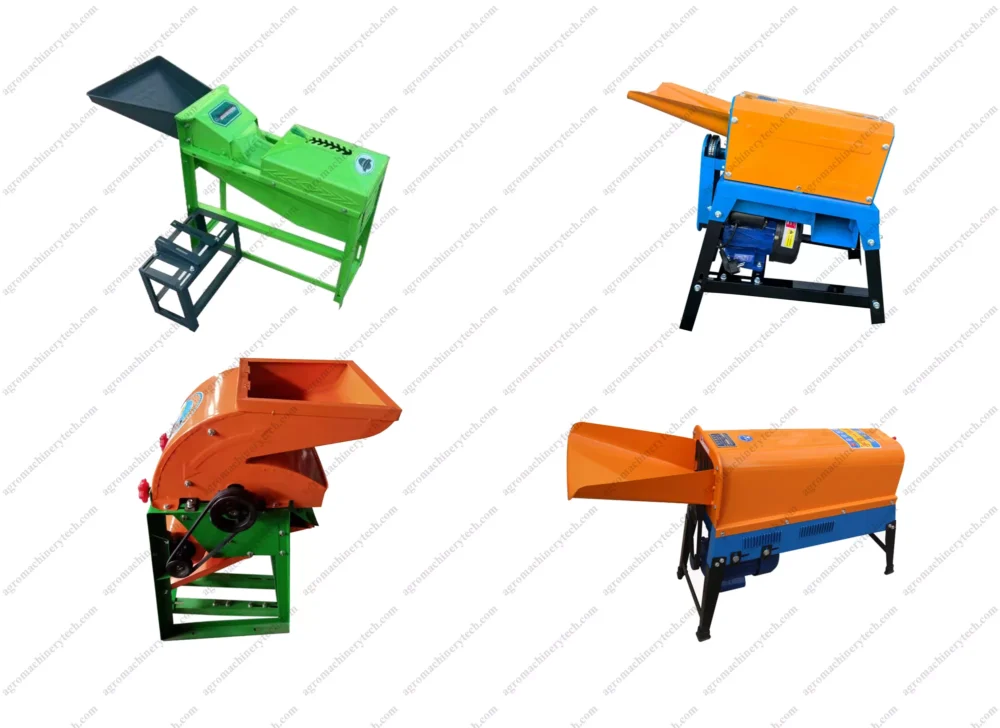
This guide will introduce six major types of threshers based on the applicable crop types—including rice, wheat, corn, peanuts, soybeans, and various other crops.

Looking For The Best Thresher Machine Price?
We offer high-performance machines at only 2/3 of the market price, without compromising on quality.
Why Do Different Crops Require Different Threshers?
Different crops have different physical characteristics, so threshers must be tailored to the specific crop being processed.
| Factor | Reason |
| Crop Structure | Different crops have different structures and grain attachment methods. |
| Grain or Pod Characteristics | Size, shape, hardness, and moisture content vary between crops. |
| Threshing Requirements | Different crops need different drum speeds, clearances, and threshing methods. |
| Cleaning Requirements | Different crops produce different straw, husks, and other residues. |
1 Variations in Crop Structure
Rice, wheat, corn, peanuts, and soybeans have distinct structures, and the way their grains or pods are attached to the plant also varies. This determines the specific method used to thresh and separate the crop.
2 Different Characteristics of Grains or Pods
The size, shape, hardness, and moisture content of grains vary among different crops. Threshers must apply appropriate levels of impact and friction to achieve efficient threshing while avoiding excessive damage to the crop.
3 Different Threshing Requirements
Different crops have varying requirements for threshing drum speed, concave clearance, feed rate, and threshing mechanisms. For example, the threshing method for corn is entirely different from that for rice or wheat.
4 Different Cleaning Requirements
After threshing is complete, the machine must separate the grains or pods from straw, husks, debris, and other impurities. Therefore, appropriate screens, airflow systems, and separation devices must be configured for different crops.
What are the different types of threshing machines?
When classified by crop, the main threshing machine types include:
| Type of Threshing Machine | Crop |
| Rice / Paddy Thresher | Rice |
| Wheat Thresher | Wheat |
| Maize / Corn Thresher | Maize / Corn |
| Groundnut Thresher Machine | Groundnut |
| Soybean Thresher Machine | Soybean |
| Multi-Crop Thresher | Multiple crops |
Each type is designed around the physical characteristics of the target crop.
1 Rice / Paddy Thresher Machine
Rice threshers are specifically designed to separate rice grains from harvested rice panicles. They are typically used after the rice harvest, to thresh the crop before subsequent cleaning and processing.

Depending on their design, processing capacity, and feed method, paddy thresher machines may employ various threshing mechanisms. The threshing system must be capable of generating sufficient impact and friction to separate the grains while minimizing damage to them.
Rice threshers are suitable for a wide range of production environments, covering everything from small-scale farming to large-scale agricultural production. The choice of machine typically depends on the required processing capacity, crop condition, power source, and feed method.
2 Wheat Thresher
Wheat threshers are used to separate wheat grains from harvested wheat ears and straw. The threshing process requires the application of sufficient mechanical force to separate the grains while ensuring that grain quality remains intact.
Wheat threshers typically consist of a threshing drum, concaves, and a cleaning system. The drum speed and the gap between the concaves affect threshing efficiency and the grain breakage rate.
When selecting a wheat thresher, the following key factors should be considered:
- Wheat variety and crop condition
- Required processing capacity
- Threshing drum design
- Cleaning efficiency
- Available power source
3 Maize / Corn Thresher Machine
Corn thresher machine (also commonly referred to as maize thresher machine) are specifically designed to separate corn kernels from the cob.

Unlike rice and wheat, corn kernels are tightly attached to the cob. Therefore, a maize thresher machine must be equipped with a suitable threshing or shelling mechanism to efficiently separate the kernels while minimizing kernel breakage.
Key considerations include:
- The condition and moisture content of the corn cobs
- Required processing capacity
- Drum or threshing/stripping mechanism
- Kernel breakage rate
- Cleaning efficiency
4 Groundnut Thresher Machine
A groundnut thresher machine is designed to separate groundnut pods from harvested plants.
Unlike grain crops such as rice and wheat, groundnuts require a different separation process because the pods are attached to the plant. The machine therefore needs to provide sufficient mechanical action to detach the pods while reducing pod damage.
Groundnut thresher machines are commonly evaluated based on:
- Pod separation efficiency
- Pod damage
- Processing capacity
- Cleaning performance
- Power requirements
5 Soybean Thresher Machine
Soybean thresher machine are used to separate soybean seeds from mature pods and plant residues.
Soybean threshing requires careful operation, as excessive mechanical force can cause the seeds to crack or suffer other damage. Therefore, the machine’s drum speed, concave clearance, and feed rate must be set in an appropriate combination.
When selecting a soybean thresher, buyers should consider the following factors:
- Soybean moisture content
- Seed breakage rate
- Required production capacity
- Threshing mechanism
- Cleaning system
Proper machine adjustment is particularly important when seed quality is critical.
6 Multi-Crop Thresher
The multi-crop thresher is specifically designed to process a variety of crops. Depending on the machine’s specific design, it can be used to process rice, wheat, corn, sorghum, millet, legumes, or other suitable crops.

The main advantage of the multi-crop thresher lies in its flexibility. Farmers do not need to purchase separate machines for each crop; by simply configuring the machine appropriately, they can process multiple crops using the same equipment.
However, having multi-crop processing capability does not mean that all crops can be processed using exactly the same parameter settings. Operators may need to adjust the following parameters:
- Drum speed
- Concave clearance
- Feed rate
- Screen mesh
- Cleaning airflow
Therefore, when evaluating the suitability of a multi-crop thresher, factors such as the specific crop types, required processing capacity, and machine configuration should be considered comprehensively.
Learn More: What is a multi-crop thresher?
Need a Thresher for Your Crop?
We offer high-performance machines at only 2/3 of the market price, without compromising on quality.
Conclusion
The main 6 types of threshing machines can be classified according to the crops they are designed to process. Rice or paddy threshers, wheat threshers, maize or corn threshers, groundnut threshers, soybean threshers, and multi-crop threshers each have different operating requirements.
The best choice depends on the crop, required capacity, threshing mechanism, power source, and cleaning requirements. Understanding these differences can help farmers and agricultural equipment buyers select a thresher that provides efficient crop separation with acceptable grain or seed quality.