Cold pressed oil is oil extracted from oilseeds or nuts using mechanical pressure, without intentionally applying external heat to the raw materials before pressing. This extraction method helps preserve the natural flavor, aroma, and certain nutrients of the oil. Common examples include cold pressed sesame oil, peanut oil, sunflower oil, and coconut oil.
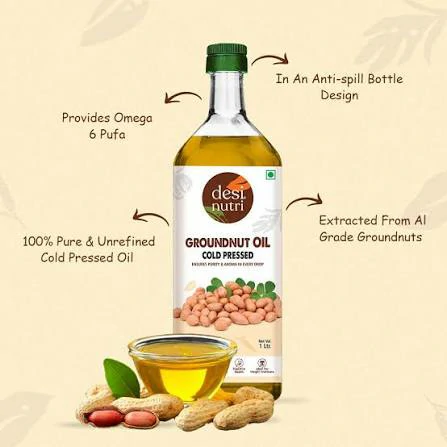
What Is Cold Pressed Oil?
Cold pressed oil is produced by mechanically pressing oil-bearing materials, such as seeds, nuts, or kernels, under controlled temperature conditions. Unlike hot pressing, which typically involves heating the raw materials before extraction, cold pressing aims to minimize heat exposure throughout the process.
Cold pressing does not mean that no heat is generated during extraction. Mechanical friction between the screw and the raw materials naturally produces heat during pressing. The key difference is temperature control: the temperature is kept below 50°C (122°F) to help preserve the oil’s natural flavor, aroma, and heat-sensitive compounds.
Learn More: Cold Press Oil VS Hot Press Oil
Many cold press oil machines are equipped with temperature controllers or monitoring instruments to measure the pressing temperature, allowing operators to monitor temperature changes and adjust operating conditions when necessary.
Why Is Cold Pressed Oil Better?
Why cold pressed oil is better depends on what you value in an oil. Compared with oils produced using more intensive processing methods, cold pressed oil offers several potential advantages.
- Natural flavor and aroma: Because the process limits heat exposure, cold pressed oils can retain more of the characteristic flavor and aroma of their raw materials.
- Gentler extraction: Cold pressing avoids intentional preheating of the raw materials, helping preserve certain heat-sensitive compounds.
- Fewer processing steps: Depending on the product, cold pressed oil may require less intensive processing than refined oil. However, filtration or other treatments may still be necessary.
Cold pressed oil also has limitations. Its extraction yield may be lower for some raw materials, and its shelf life depends on the oil type, oxidation stability, packaging, and storage conditions. Cold pressed oil is not automatically healthier in every situation; its quality depends on the raw materials and production process.
How to Make Cold Pressed Oil?
Making cold pressed oil involves three main steps: preparing the raw materials, extracting the oil, and filtering the final product.
1. Prepare the Raw Materials
First, clean the oilseeds or nuts to remove dust, stones, and other impurities. Depending on the type of raw material, drying, dehulling, or size reduction may also be necessary.
Proper preparation helps improve processing efficiency and protects the oil press machine from damage.
2. Extract the Oil Using a Cold Press Oil Machine
Next, feed the prepared materials into a cold press oil machine. In a screw-type oil press, a rotating screw applies pressure to the raw materials, forcing the oil through the openings in the pressing chamber while the remaining solids are discharged separately.

During this stage, temperature must be monitored to keep the process within the required cold-pressing conditions. Although no external preheating may be used, friction can still produce heat during extraction.
The suitable machine configuration depends on the raw material, required production capacity, and temperature-control requirements.
3. Filter and Store the Oil
After extraction, the oil may contain fine particles and sediment. Filtration helps remove these impurities and improves the appearance of the finished oil.
Finally, store the oil in clean, airtight containers, away from direct sunlight, excessive heat, and oxygen exposure. Appropriate storage helps maintain oil quality and slow oxidation.

Get Your Cold Oil Press Today!
Conclusion
Cold pressed oil is produced through mechanical extraction under controlled temperature conditions. Its characteristic flavor, aroma, and relatively gentle extraction process make it a popular choice for various edible oils.
If you want to produce cold pressed oils commercially, choosing a suitable cold press oil machine is an important step. Consider the type of oilseed, expected output, and temperature-control requirements when selecting equipment for your production needs.