Whether you run a small poultry farm or a commercial livestock operation, feed accounts for a significant portion of production costs. Producing your own feed with a feed pellet machine helps improve feed quality, reduce waste, and lower long-term expenses while giving you greater control over nutrition.
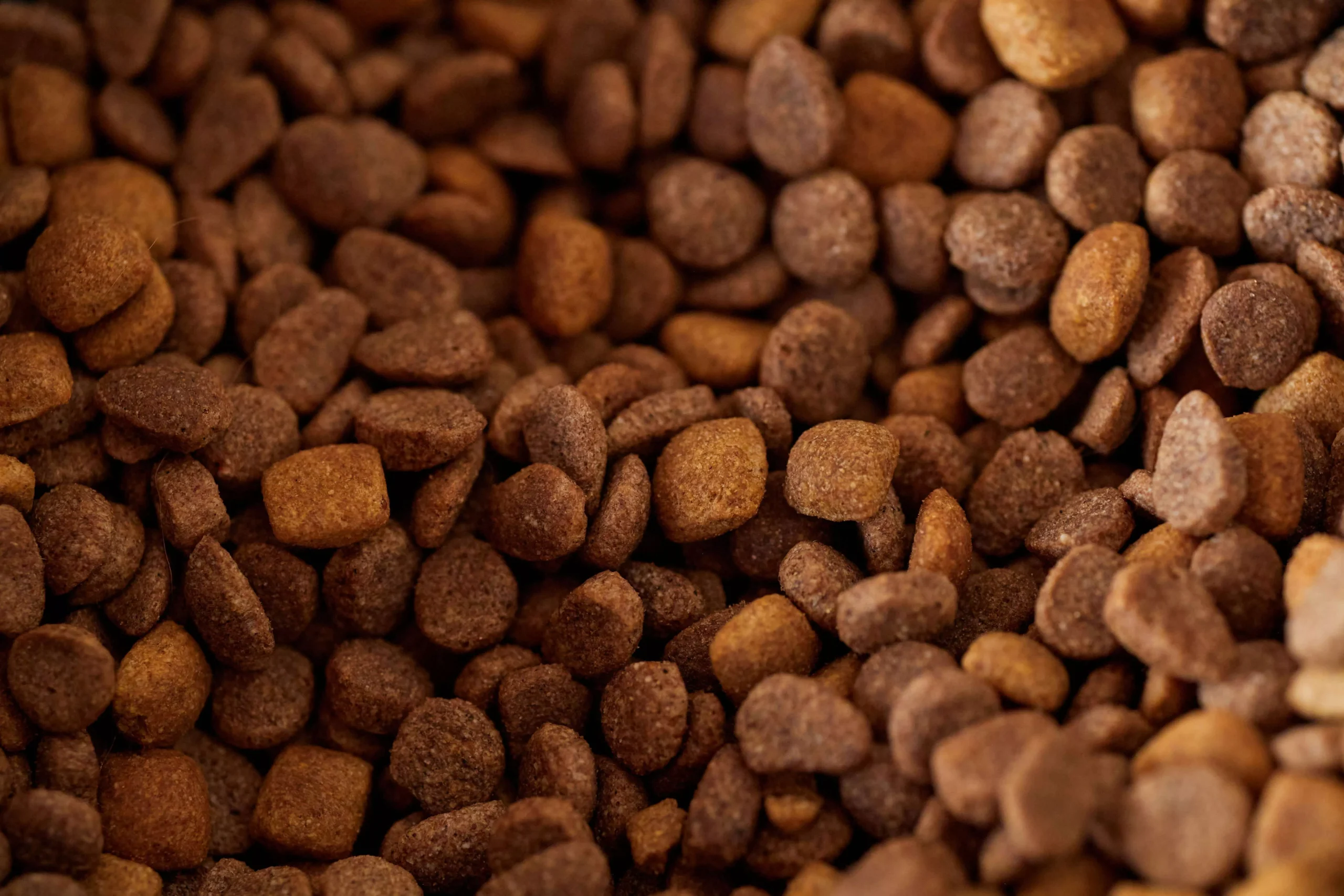
Compared with loose mash feed, pelleted feed is easier to handle, store, and transport. A modern feed pelleting machine can also process a wide range of raw materials into uniform pellets suitable for poultry, cattle, pigs, sheep, rabbits, fish, and other livestock.
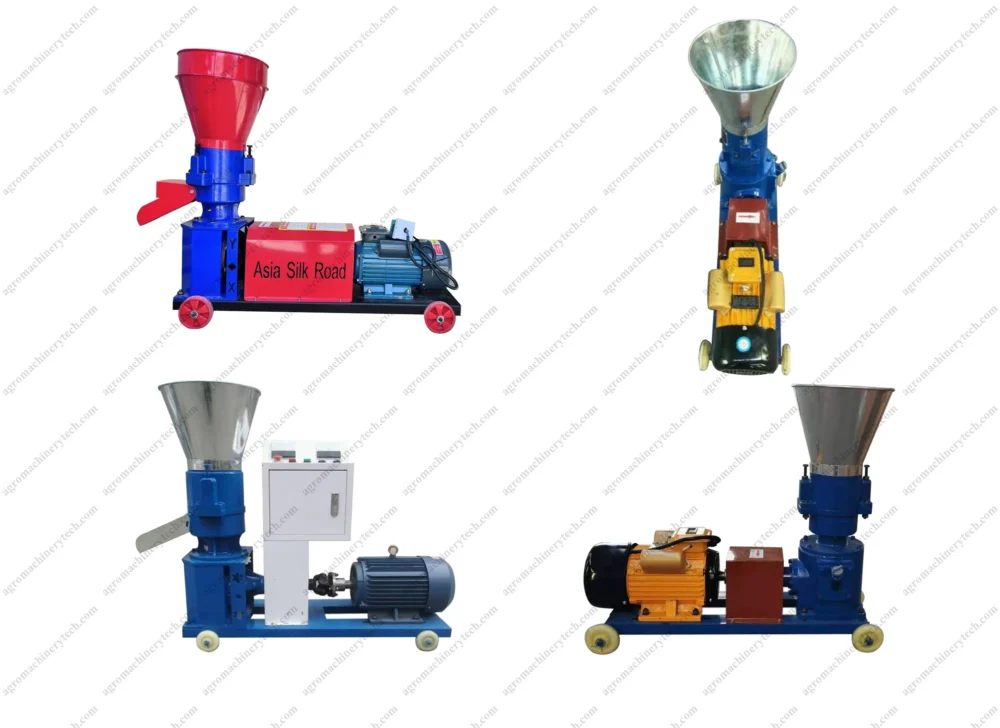
Below are 12 reasons why more farmers and feed manufacturers are investing in a feed mill machine and animal feed processing machine.
Looking for the right feed pellet machine?
Top 12 Benefits You Should Know Of Using A Feed Pellet Machine
| Benefit | Key Advantage |
| Improve Feed Palatability | More appealing pellets encourage feed intake. |
| Improve Digestibility | Easier for animals to digest and utilize feed. |
| Enhance Nutrient Absorption | Balanced nutrition in every pellet. |
| Reduce Feed Waste | Less feed loss during feeding and handling. |
| Lower Feed Production Costs | Save money by producing feed on-site. |
| Save Labor | Reduce manual mixing and feeding work. |
| Increase Production Efficiency | Produce feed faster with consistent quality. |
| Support Custom Feed Formulation | Create feed recipes for different animals. |
| Process a Wide Range of Raw Materials | Use various grains, meals, and agricultural by-products. |
| Extend Feed Shelf Life | Easier to store with reduced spoilage risk. |
| Reduce Storage & Transportation Costs | Dense pellets save storage and shipping space. |
| Reduce Dust & Improve Farm Environment | Cleaner feeding areas with less dust. |
1. Improve Feed Palatability
Animals generally prefer pellets because they have a uniform shape, texture, and aroma. During pelleting, ingredients are compressed into dense pellets that reduce feed sorting and encourage consistent intake.
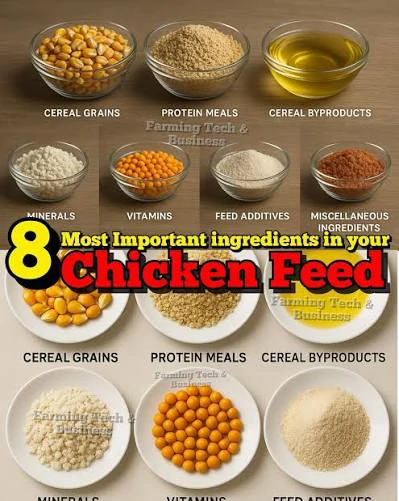
For example, poultry diets often combine corn, soybean meal, wheat bran, vitamins, and mineral premixes. A feed pellet machine blends these ingredients evenly, ensuring every pellet contains balanced nutrition instead of allowing birds to pick only their favorite ingredients.
2. Improve Digestibility
Pelleting improves the physical structure of feed, making it easier for many animals to chew and digest. Steam conditioning before pelleting also helps soften starch and improve ingredient binding.
This is especially beneficial for poultry, pigs, rabbits, and fish, where improved digestibility can contribute to better feed utilization and healthier growth.
3. Enhance Nutrient Absorption
Uniform pellets help animals consume a balanced diet with every bite. Instead of separating fine particles from coarse ingredients, pelleted feed keeps nutrients evenly distributed.
Different livestock require different nutrient profiles. Broilers need higher protein levels, while dairy cattle require more fiber and energy. A feed pelleting machine makes it easy to produce customized feed that matches these nutritional requirements.
4. Reduce Feed Waste
Loose feed can easily separate during transportation or feeding, causing animals to leave behind fine ingredients or creating unnecessary dust.
Pelleted feed stays intact throughout handling, reducing waste and improving feed conversion. Cleaner feeding areas also mean less feed is lost on the ground, helping farms control operating costs.
5. Lower Feed Production Costs
Producing feed on-site allows farmers to purchase raw materials in bulk and formulate feed according to seasonal prices. Over time, this can significantly reduce dependence on commercially packaged feed.
Common ingredients processed by a feed mill machine include corn, soybean meal, rice bran, wheat bran, alfalfa meal, fish meal, sunflower meal, and vitamin premixes, providing both flexibility and cost control.
6. Save Labor
Manual feed mixing requires considerable time and effort, especially on medium and large farms. An animal feed processing machine automates grinding, mixing, and pelleting, allowing one operator to produce a consistent batch of feed with minimal manual work.
This not only reduces labor requirements but also improves daily feeding efficiency, especially during busy production seasons.
7. Increase Production Efficiency
A feed pellet machine streamlines the entire feed production process, from raw material preparation to finished pellets. Compared with manual mixing and feeding, pelleting improves production efficiency by delivering consistent output with less downtime.
For small farms, flat die pellet machines are a practical choice due to their compact size and lower investment. Larger feed mills often use ring die machines to achieve higher production capacities and continuous operation.
8. Support Custom Feed Formulation
One of the biggest advantages of a feed pelleting machine is the flexibility to produce feed for different animals and growth stages.
For example:
- Broiler chickens: Higher protein for rapid growth.
- Layer hens: Additional calcium for stronger eggshells.
- Pig feed: Balanced protein and energy for efficient weight gain.
- Cattle feed: More fiber combined with grains to support healthy digestion.
Instead of relying on one commercial formula, farmers can adjust ingredients according to livestock needs, seasonal changes, or local raw material availability.
9. Process a Wide Range of Raw Materials
A modern feed mill machine can process numerous agricultural materials into high-quality feed pellets.
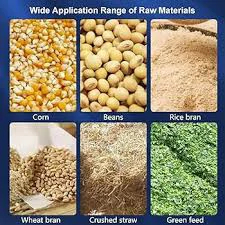
Common ingredients include:
- Corn
- Soybean meal
- Wheat bran
- Rice bran
- Alfalfa meal
- Fish meal
- Cottonseed meal
- Sunflower meal
- DDGS
- Vitamin and mineral premixes
This flexibility allows farmers to utilize locally available ingredients while reducing feed costs and making better use of agricultural by-products.
10. Extend Feed Shelf Life
Pelleted feed is more compact and easier to store than loose mash feed. When raw materials are properly dried before pelleting and finished pellets are stored in a cool, dry environment, moisture absorption is reduced, helping maintain feed quality during storage.
Proper storage also minimizes the risk of mold growth and nutrient loss, making feed management more reliable throughout the production cycle.
11. Reduce Storage and Transportation Costs
Pellets have a higher bulk density than loose feed, allowing more feed to be stored or transported in the same space. Their uniform shape also makes packaging, stacking, and handling much easier.
For farms purchasing raw materials in bulk or supplying feed to multiple locations, a feed pellet machine helps lower logistics costs while improving storage efficiency.
12. Reduce Dust and Improve the Farm Environment
Loose feed often generates dust during handling and feeding, which can lead to feed loss and create an unpleasant working environment.
Pelleted feed produces significantly less dust, helping keep barns, poultry houses, and feed storage areas cleaner. A cleaner feeding environment also reduces ingredient separation and encourages more consistent feed intake, benefiting both animals and farm workers.
Contact us for the best feed pellet machine solution.
Conclusion
A feed pellet machine is more than just a piece of equipment—it is an investment in feed quality, production efficiency, and long-term profitability. From improving palatability and digestibility to reducing waste, labor, and transportation costs, pelleted feed offers practical benefits for farms of all sizes.
Whether you operate a family farm or a commercial feed production business, choosing the right feed pelleting machine or animal feed processing machine allows you to produce consistent, high-quality feed tailored to your livestock’s nutritional requirements. With the ability to process a wide variety of raw materials and support customized feed formulations, it has become an essential solution for modern livestock farming.