In modern aquaculture, feed selection directly affects fish growth, water quality, feed conversion ratio (FCR), and farming profitability. Today, the two most common feed types are floating fish feed and sinking pellet fish food.
Although both feeds provide nutrition for fish, they perform very differently in water and are suitable for different fish species and farming systems. Choosing the wrong feed may lead to feed waste, poor digestion, slower growth, and increased farming costs.
What Is Floating Fish Feed?
Floating fish feed is a type of feed pellet designed to remain on the water surface after feeding. It is commonly produced using extrusion technology, which creates internal air pockets inside the pellets and allows them to float.
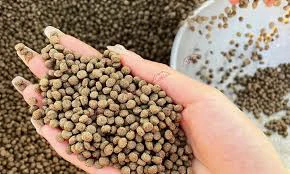
Floating fish feed is widely used for surface-feeding fish because farmers can easily observe feeding behavior and adjust feeding rates.
What Is Sinking Fish Feed?
Sinking fish feed is designed to sink below the water surface after feeding. It is usually produced through a pelletizing process that creates denser pellets with less expansion.
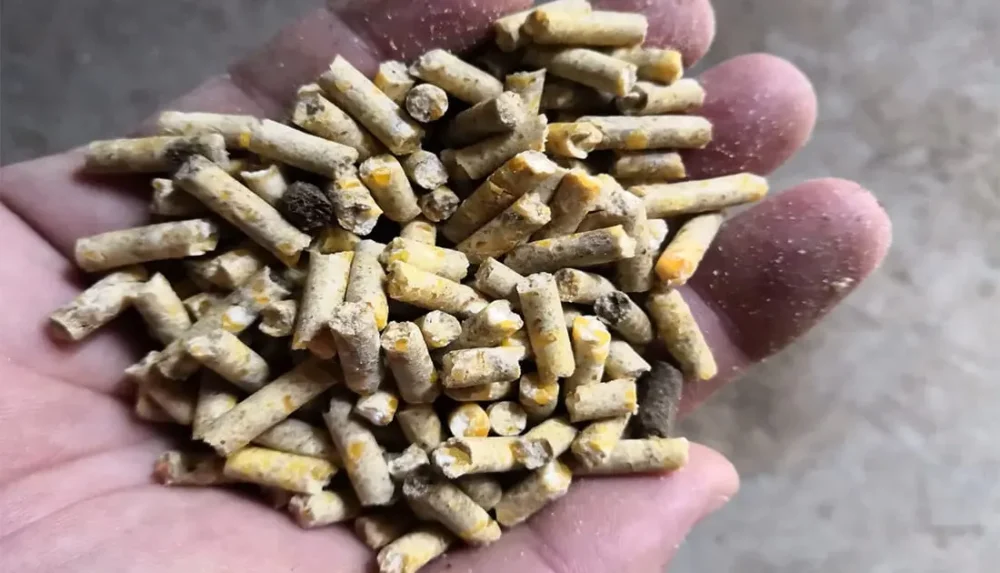
Sinking pellet fish food is commonly used for bottom-feeding species such as catfish, shrimp, and carp.
14 Key Differences Between Floating and Sinking Fish Feed
| Aspect | Floating Fish Feed | Sinking Fish Feed |
| Production Method | Made by fish feed extruder | Made by pellet mill |
| Pellet Density | Low density, floats on water | High density, sinks quickly |
| Feeding Zone | Surface feeding | Middle or bottom feeding |
| Digestibility | Better digestibility | Normal digestibility |
| FCR | Usually better FCR | Usually higher FCR |
| Water Stability | Better water stability | Easier to break in water |
| Feed Waste | Easier to control waste | Harder to see uneaten feed |
| Water Pollution | Helps reduce pollution | May increase pond pollution |
| Suitable Fish | Tilapia, koi, trout | Catfish, shrimp, eel |
| Feeding Observation | Easy to observe fish feeding | Difficult to observe feeding |
| Production Cost | Higher production cost | Lower production cost |
| Automatic Feeding | Better for automatic feeding | Less suitable for auto feeding |
| Growth Rate | Often faster growth | Depends on farm conditions |
| Suitable Farming System | Intensive and commercial farms | Bottom-feeding farming systems |
Production Method
One of the biggest differences between floating fish feed and sinking fish food pellets is the production method.
Floating fish feed is produced using a floating fish feed pellet machine, also known as a fish feed extruder. During the extrusion process, feed ingredients are cooked under high temperature and pressure. As the feed exits the machine, the pellets expand and form tiny air pockets inside, which reduces pellet density and allows the feed to float on water.

In contrast, sinking pellet fish food is usually produced using a pellet mill or sinking pellet machine. This process mainly relies on mechanical compression rather than expansion. The pellets remain denser and heavier, allowing them to sink quickly after entering the water.
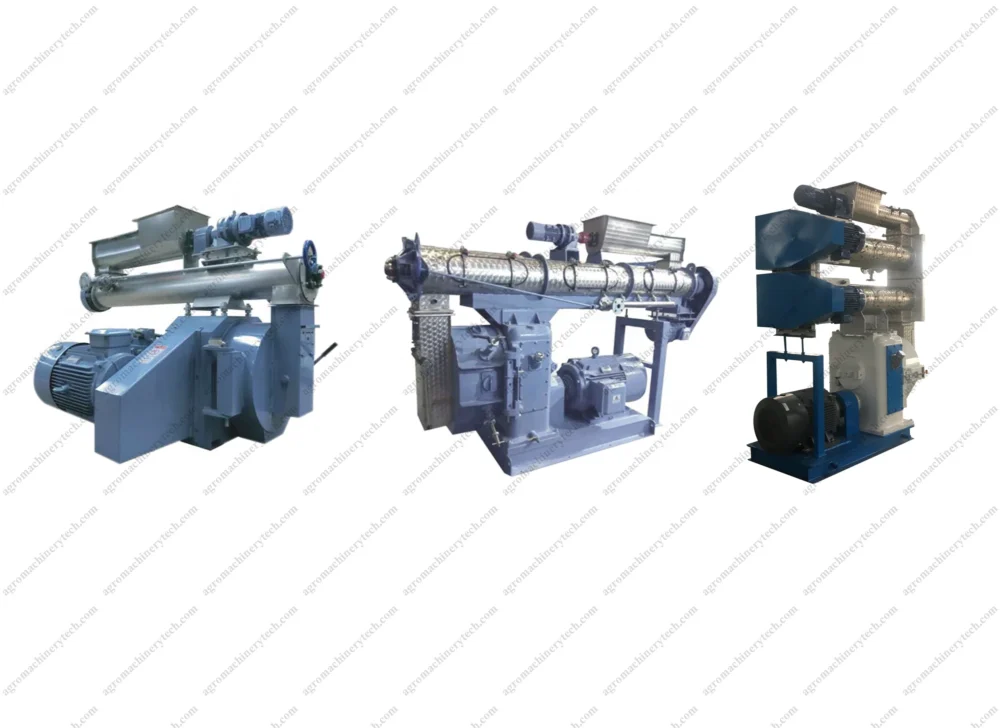
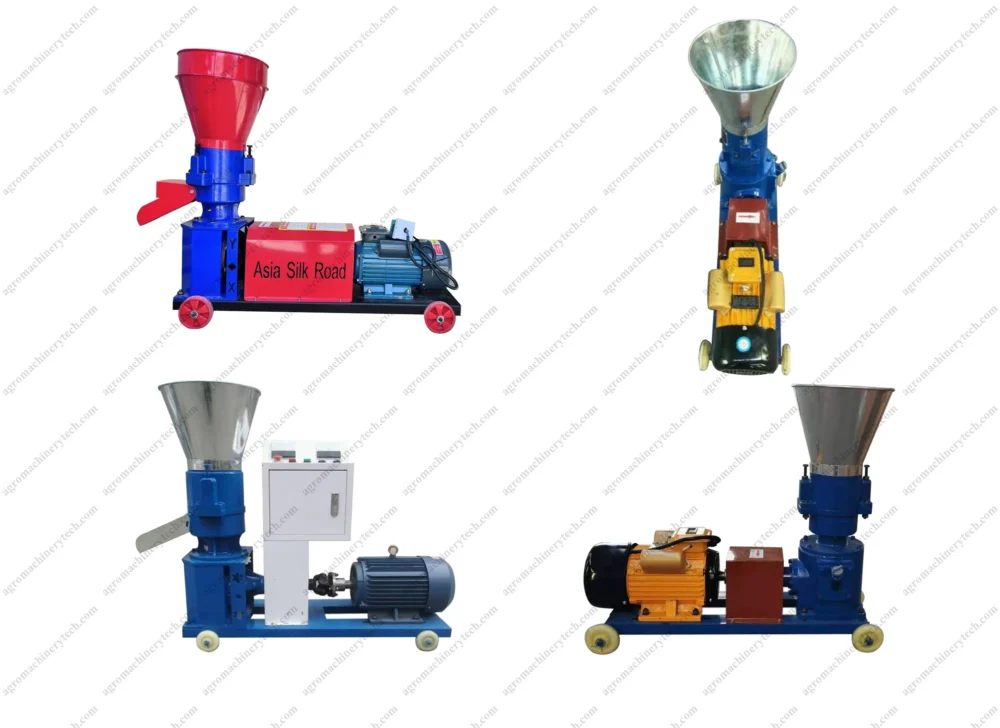
Compared with extrusion equipment, sinking feed machines have a simpler structure and lower energy consumption, which makes sinking feed production more economical for some aquaculture farms.
Pellet Density
Pellet density is one of the key factors that determines whether feed floats or sinks.
Floating fish feed has lower density because the extrusion process creates tiny air cells inside the pellets. Sinking fish food pellets have higher density and therefore sink below the water surface.
What Controls Pellet Density?
Several factors affect pellet density, including:
- starch content
- moisture level
- extrusion temperature
- expansion ratio
- feed formulation
Proper control of pellet density is important for feed stability and feeding performance.
Feeding Zone
Floating fish feed remains at the water surface, making it suitable for surface-feeding fish.
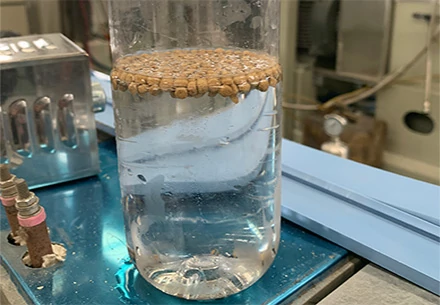
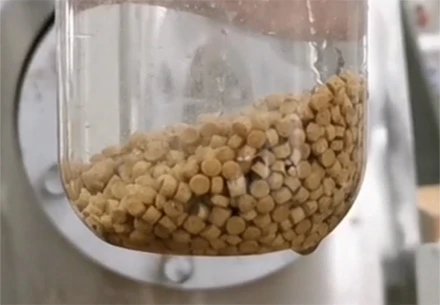
Sinking pellet fish food moves toward the bottom or middle water layer, making it more suitable for bottom-feeding species.
Choosing the correct feeding zone helps improve feeding efficiency and reduce feed waste.
Digestibility
Floating fish feed generally has better digestibility because the extrusion cooking process improves starch gelatinization and nutrient availability.
In many commercial farms, extruded floating feed improves nutrient absorption and feeding efficiency compared with ordinary sinking pellets.
FCR
Feed conversion ratio (FCR) is one of the most important indicators in aquaculture.
What Is FCR in Fish Farming?
FCR measures how efficiently fish convert feed into body weight.
A lower FCR means fish require less feed to gain weight, which helps reduce farming costs.
Why FCR Matters?
Better FCR means:
- lower feed consumption
- reduced production cost
- faster growth
- higher profitability
Because floating fish feed usually has better digestibility and feeding control, many farms achieve better FCR performance with floating feed.
Water Stability
Floating fish feed usually has longer water stability because extrusion improves pellet structure.
Sinking fish food pellets may break down faster in water, especially if pellet quality is poor.
Better water stability helps reduce nutrient loss and maintain feed quality during feeding.
Feed Waste
Feed waste is a major issue in aquaculture farming.
With floating fish feed, farmers can easily observe uneaten pellets and adjust feeding amounts accordingly.
With sinking pellet fish food, uneaten feed is harder to detect, which may increase feed waste and farming cost.
Water Pollution
Uneaten feed and poor water stability can lead to water pollution in fish ponds.
Excess feed may increase:
- ammonia accumulation
- pond sludge
- oxygen depletion
- algae growth
Because floating fish feed allows better feeding control, it may help reduce water pollution and improve pond management.
Fish Species
Different fish species have different feeding behaviors, so feed type selection should match natural feeding habits.
Which Fish Species Prefer Floating Feed?
Floating fish feed is commonly used for:
- tilapia
- koi fish
- goldfish
- trout
- grass carp
For many farmers, floating feed is considered the best feed for tilapia because tilapia actively feed near the water surface.
Which Fish Species Prefer Sinking Feed?
Sinking fish food pellets are commonly used for:
- catfish
- shrimp
- carp
- eel
Many farmers consider sinking pellets the best feed for catfish because catfish naturally feed near the pond bottom.
Observation
Floating fish feed allows farmers to directly monitor fish feeding activity, appetite, and health condition.
Sinking feed makes feeding observation more difficult because the pellets quickly disappear below the water surface.
Cost
Sinking pellet fish food is usually cheaper to produce because pelletizing equipment requires less energy and simpler processing.
Floating fish feed has higher production cost due to extrusion technology. However, improved digestibility and lower feed waste may reduce long-term farming cost.
Automatic Feeding
Floating fish feed is generally more suitable for automatic feeding systems because pellets remain visible on the water surface.
This makes feeding management easier in large-scale commercial aquaculture farms.
Growth Rate
Many farms achieve faster growth rates with floating fish feed because of improved digestibility, feeding observation, and better FCR performance.
However, actual growth performance still depends on feed formulation, fish species, water quality, and farm management.
Suitable Farming System
Floating fish feed is commonly used in:
- intensive aquaculture
- cage farming
- recirculating aquaculture systems
- commercial tilapia farms
Sinking fish food pellets are commonly used in:
- shrimp farming
- catfish ponds
- bottom-feeding aquaculture systems
The best choice depends on fish species, farming conditions, and production goals.
Conclusion
Both floating fish feed and sinking pellet fish food have their own advantages and applications in aquaculture.
Floating fish feed offers better feeding observation, improved digestibility, reduced feed waste, and better FCR performance. Sinking fish food pellets are more suitable for bottom-feeding species and may offer lower production cost.
There is no universal “best” feed type for all aquaculture systems. The correct choice depends on fish species, feeding behavior, farming environment, and management goals.
For commercial feed production, proper feed processing equipment and suitable feed formulation are also important factors in achieving stable feed quality and farming profitability.
If you are planning to start fish feed production or upgrade your aquaculture feed line, our floating fish feed pellet machine and feed pellet machine can provide reliable solutions for different farming needs and production capacities.
Get Your Feed Pellet Machine Today!