Animal feed pellets are widely used in livestock and poultry farming because they are easy to transport, store, and feed. But how are these compact feed pellets made? An animal feed pellet machine is an equipment that compresses pre-prepared feed ingredients into uniform pellets.

From small farms to commercial feed production, various types of pellet mills are available to meet different production needs. Understanding how animal feed pellet mills work, the raw materials they can process, and the types of animals suitable for pellet feed will help you choose the right equipment.
What Is Pellet Feed?
Pelleted feed is produced by processing animal feed and compressing it into small, dense pellets. Unlike feeding bulk or powdered feed, pelleted feed allows different feed ingredients to be mixed and formed into pellets of relatively uniform size and shape.
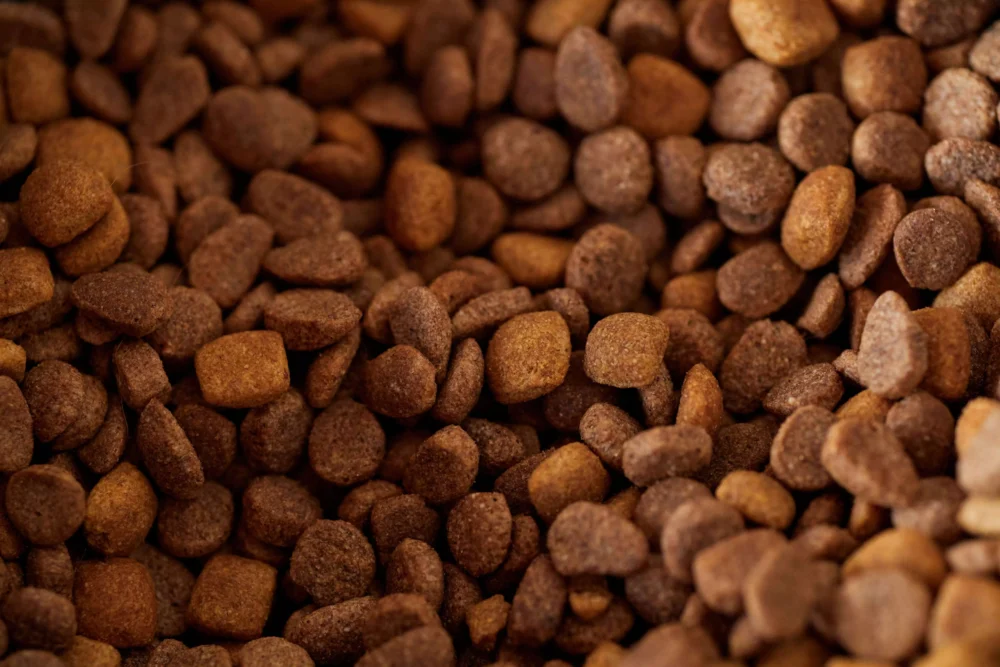
Depending on the animal species and feed formulation, pelleted feed may contain grains, protein sources, forage, fiber, vitamins, minerals, and other ingredients.
Compared to bulk feed, pelleted feed is easier to handle, transport, and store. Its uniform shape also makes it convenient for feeding livestock and poultry.
Learn More: Why Use feed pellet machine?12 Benefits You should know
The size and formulation of pelleted feed vary depending on the animal species, age, and nutritional requirements. Therefore, the appropriate pellet diameter and feed formulation should be selected based on the intended use.
What Is an Animal Feed Pellet Machine?
An animal feed pellet machine is a piece of equipment that processes pre-prepared feed ingredients into compact feed pellets. It works by feeding the pre-prepared mixture into the pelletizing chamber, where mechanical pressure is applied to extrude the material through the holes in the die, forming the pellets.
The basic pelletizing process is as follows:
Feed ingredients → Mixing → Pelleting → Cutting → Finished pellets
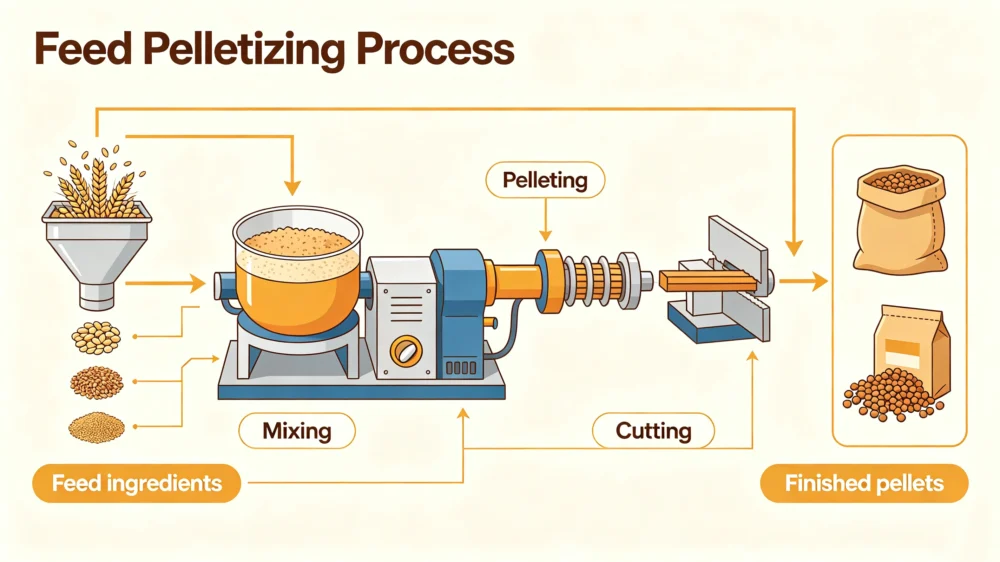
Feed ingredients typically need to be prepared and mixed before entering the machine. During the pelleting process, the material is extruded through the holes in the die. After exiting the die, the material is cut into pellets of the desired length.
By changing the die, an animal feed pellet making machine can produce pellets of different sizes. The appropriate pellet size depends on the animal species and the intended feeding application.
Feed pellet mills can be used on farms, in small-scale feed processing facilities, and in large-scale feed production plants. For small-scale applications, a compact feed pellet maker offers a practical and convenient method for producing feed pellets directly from available raw materials.
It is worth noting that feed pellet mills are primarily responsible for the pelletizing process. A complete feed production line may also require other equipment for crushing, mixing, cooling, screening, and packaging.
Two Common Types of Feed Pellet Mills
Animal feed pellet making machines are primarily divided into two types: flat-die pellet mills and ring-die pellet mills. The main differences between them lie in their structure, production capacity, and typical applications.
Flat-Die Feed Pellet Mill
Flat-die pellet mills use a flat, circular die and rollers to compress feed ingredients into pellets.
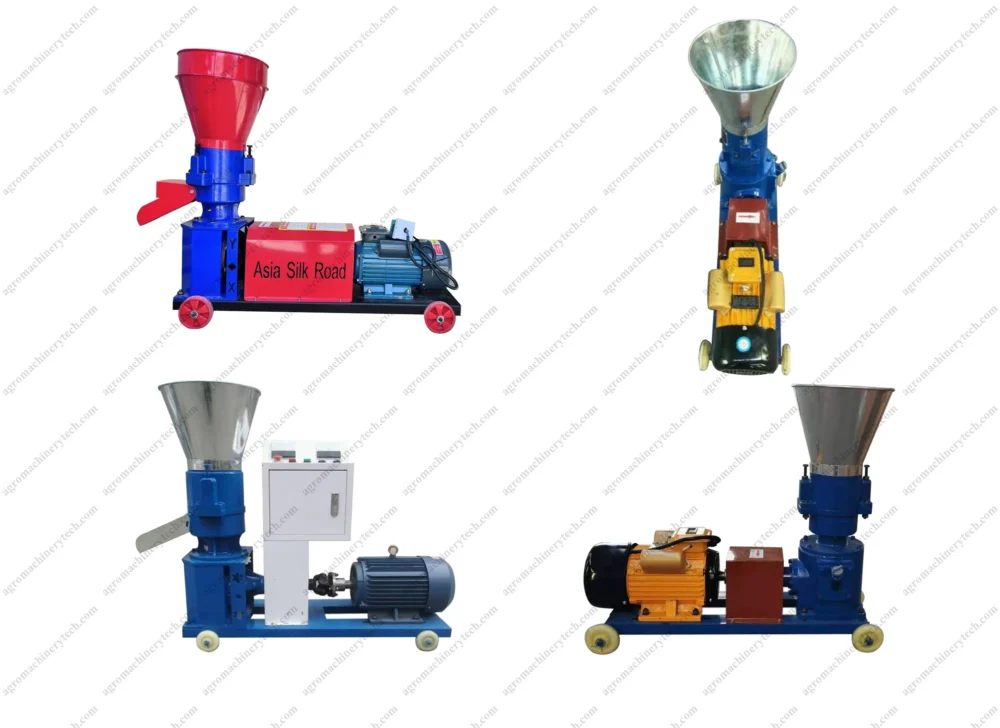
This type of pellet machine for animal feed is commonly used in small- to medium-scale feed production. Its structure is relatively simple, and it is easy to operate and maintain, making it suitable for farms, small feed businesses, and users who need to produce their own feed.
Ring-Die Animal Feed Pellet Mills
Ring-die pellet mills use a ring-shaped die and rollers to compress feed ingredients into pellets. They are typically designed for high-capacity, continuous feed production.
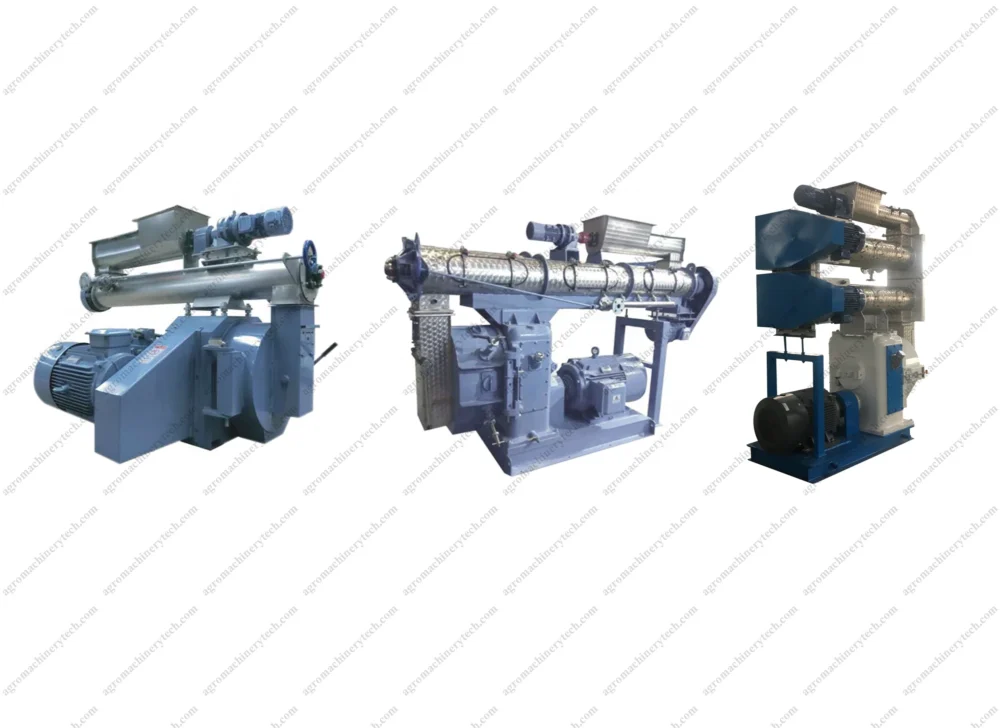
Ring-die pellet mills are commonly found in commercial feed mills and large-scale feed processing plants. Compared to small flat-die pellet mills, ring-die pellet mills are generally more suitable when higher production capacity is required.
Learn More: flat die pellet mill vs ring die pellet mill: differences
Which animals can be fed pelleted feed?
Pelleted animal feed can be formulated to meet the needs of a variety of livestock and poultry. The feed ingredients, nutritional composition, and pellet size should be adjusted according to the specific animal.
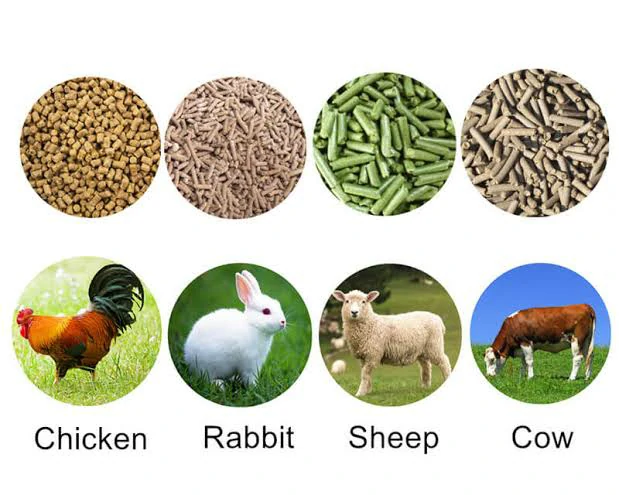
Common applications include:
Cattle
Pelleted cattle feed may contain grains, forage, hay, fresh grass, bran, and other feed ingredients. Pelleted feed can be part of a balanced feeding program.
Pigs
Pig feed pellets are typically made by mixing grain ingredients with protein sources and other nutrients required by pigs at different growth stages.
Poultry
Pellets can be produced for chickens and other poultry. Feed formulations and pellet sizes should be selected based on the type and age of the birds.
Sheep and Goats
Feed pellets for sheep and goats may contain forage, fresh grass, alfalfa, grains, and other suitable ingredients.
Rabbits
Rabbit feed pellets are typically formulated using fiber-rich ingredients, such as alfalfa and other feed components suitable for rabbit nutrition.
In theory, the same animal feed pellet mill can be used for different animals, but each application may require adjustments to the feed formulation, raw material preparation, and pellet size.
What raw materials can be used to make animal feed pellets?
An animal feed pellet machine can process a wide variety of feed ingredients, depending on the machine’s configuration and the characteristics of the raw materials.
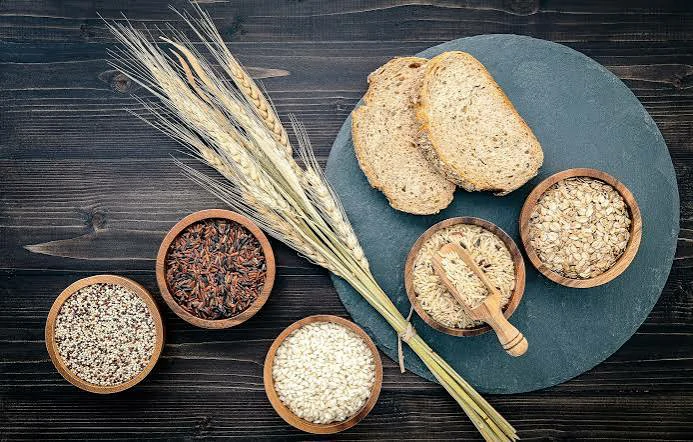
Common ingredients include:
Grains
- Corn
- Wheat
- Barley
- Sorghum
- Other grains
Grains are typically used as a source of energy in animal feed formulations.
Bran and agricultural byproducts
- Rice bran
- Wheat bran
- Other suitable agricultural byproducts
After proper processing, these ingredients can be added to feed formulations and processed into pellets.
Protein-Rich Ingredients
- Soybean meal
- Canola meal
- Other plant protein powders
Depending on the animals’ nutritional needs, protein-rich ingredients are typically added to livestock and poultry feed.
Forage and Fiber Ingredients
- Alfalfa
- Pasture Grass
- Hay
- Stubble
- Other Suitable Forage Ingredients
When the particle size and moisture content of forage ingredients are suitable for pelleting, they can be processed into pellets.
The specific ingredients that can be processed depend on their moisture content, particle size, fiber content, and the formulation. Proper preparation of forage ingredients is critical for producing well-formed, storable pellets.
Conclusion
An animal feed pellet machine is a machine that compresses prepared feed ingredients into compact, uniform pellets. Depending on the feed formulation, it can be used to produce feed for cattle, pigs, poultry, sheep, goats, rabbits, and other animals.
Flat-die pelletizers and ring-die pelletizers are two common options, each with distinct designs and applications. The appropriate pellet machine for animal feed depends on factors such as production scale, required capacity, raw materials, and pellet size.
Whether you need a small-scale feed pellet maker for a farm or an animal feed pellet making machine for large-scale production, selecting the right machine begins with understanding your raw materials and production requirements.